
 Bahasa Indonesia
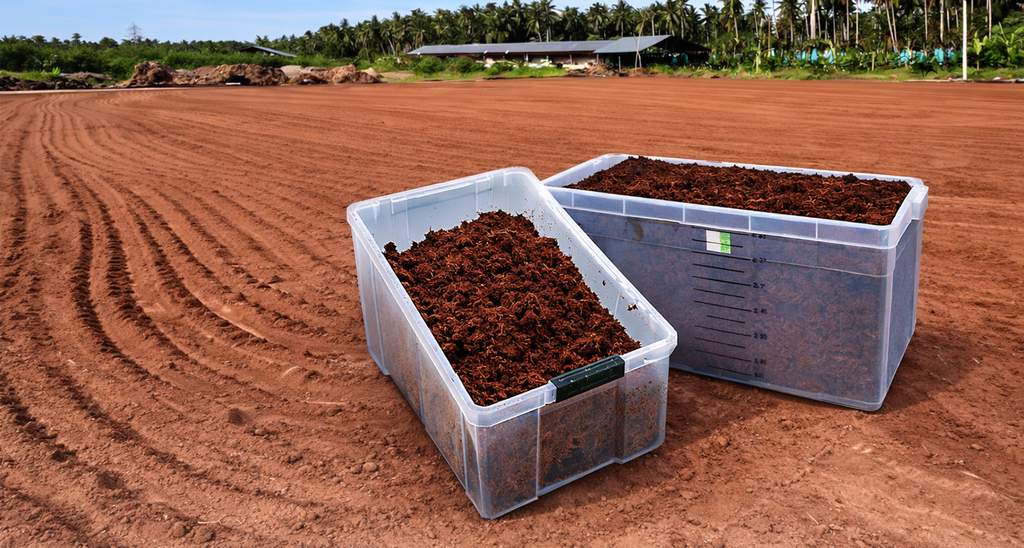
Cocopeat has become one of the most widely used growing media in modern agricultural systems such as greenhouses, hydroponics, and intensive horticulture. This growing medium is known for its high water retention capacity, good aeration structure, and eco-friendly characteristics.
However, the quality of cocopeat is not only determined by its texture and water-holding capacity. One important parameter that is often overlooked is the pH level of the growing medium. If the pH of cocopeat is unstable, plants can experience various growth disturbances that directly affect productivity.
Understanding the importance of pH in cocopeat is a crucial step to ensure optimal plant growth.
What Is pH in Cocopeat?
pH is a measure of the acidity or alkalinity of a medium. In the context of growing media, pH affects the availability and absorption of nutrients by plant roots.
In cocopeat, pH values can be influenced by several factors, including:
-
The composition of coconut fiber raw materials
-
Washing and processing methods
-
Mineral content in water
-
Buffering processes during production
In general, the ideal pH range of cocopeat for most plants is:
5.5 – 6.5
Within this range, most essential nutrients can be absorbed optimally by plants.
Causes of Unstable Cocopeat pH
Several factors can cause cocopeat pH to become unstable or fall outside the ideal range:
1. Non-Standardized Production Process
If the cocopeat processing is not carried out consistently, pH values may vary between production batches.
Influencing factors include:
-
Uneven washing of raw materials
-
Uncontrolled fermentation processes
-
Variations in coconut fiber quality
2. Lack of Buffering Process
Buffering is an important step to stabilize the chemical composition of cocopeat.
Without proper buffering, certain ions may disrupt the pH balance of the medium.
3. Water Quality Used in Production
The water used in washing or processing cocopeat can affect the final pH value.
Water with certain mineral contents may cause pH fluctuations in the growing medium.
4. Storage and Distribution Conditions
Improper storage conditions, such as high humidity or contamination, can affect the stability of cocopeat pH.
Effects of Unstable Cocopeat pH on Plants
When the pH of the growing medium falls outside the ideal range, plants may experience various physiological issues:
1. Poor Nutrient Uptake
The pH of the growing medium affects the availability of essential nutrients such as:
-
Nitrogen
-
Phosphorus
-
Potassium
-
Calcium
-
Magnesium
If the pH is too low or too high, some nutrients become difficult for plant roots to absorb.
2. Stunted Plant Growth
Plants grown in media with unstable pH often show symptoms such as:
-
Slow growth
-
Yellowing leaves
-
Weak root systems
Over time, this condition can reduce overall plant productivity.
3. Microbial Imbalance
The pH of the growing medium also influences the activity of beneficial microorganisms.
If the pH becomes too extreme, microorganisms that support nutrient processes may be disrupted.
4. Increased Plant Stress Risk
Drastic pH fluctuations can cause physiological stress in plants. Stressed plants are more vulnerable to diseases and pathogen attacks.
How to Stabilize Cocopeat pH
To ensure cocopeat can be used optimally as a growing medium, the following steps can be taken:
✔ Use Cocopeat with Standardized Production
High-quality cocopeat is typically produced through consistent processing methods, including proper washing and buffering stages.
✔ Conduct pH Testing Before Use
Simple testing using a pH meter or other measuring tools can help ensure the growing medium is within the ideal range.
✔ Apply Additional Buffering if Needed
If the pH is not yet stable, additional buffering processes can be carried out to adjust ion balance in the medium.
✔ Use High-Quality Water
Water used to hydrate cocopeat should be of good quality to avoid affecting the medium’s pH.
Importance of Quality Standards in Cocopeat Production
In modern horticulture, the quality of growing media is a key factor in cultivation success. Therefore, professional cocopeat producers usually implement strict quality control systems to ensure stable product parameters.
Cocopeat quality standards generally include:
-
Low EC value
-
Stable pH
-
Consistent fiber structure
-
High water retention capacity
-
Free from contaminants
These standards are especially important for greenhouse use, hydroponic systems, and export markets.
Conclusion
The pH of cocopeat is a crucial factor that affects nutrient availability and plant health. If cocopeat pH is unstable, plants may suffer from nutrient uptake issues, stunted growth, and reduced productivity.
By choosing cocopeat produced through standardized processes and conducting quality testing before use, farmers and agribusiness practitioners can ensure a stable growing medium that supports optimal plant growth.
In modern agriculture systems, the stability of growing media is not just a technical factor—it is the foundation of successful production.