
 Bahasa Indonesia
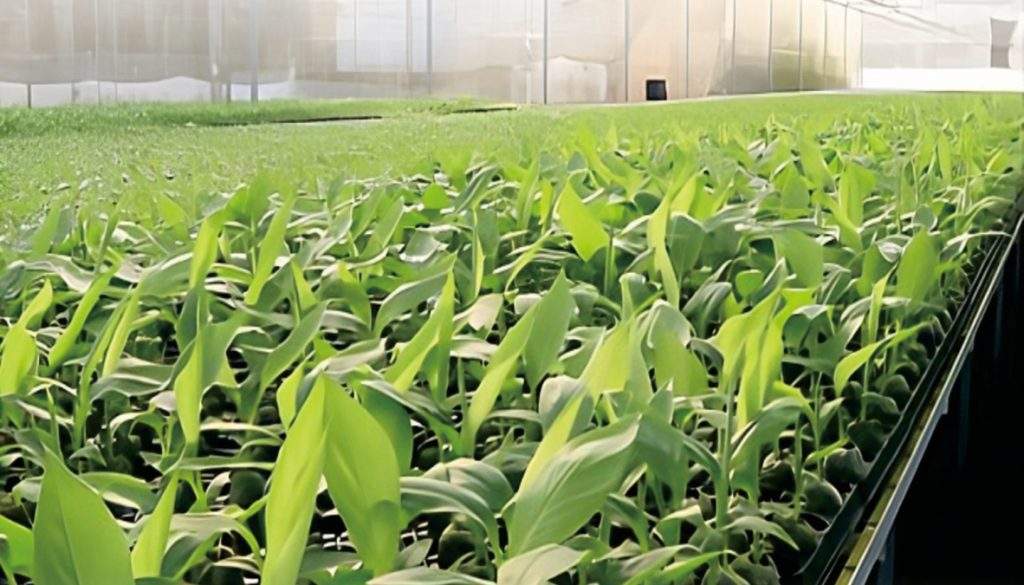
In the tissue culture industry, consistency is the key to success. However, in many laboratories, a common issue is inconsistent culture media between production batches. Small differences in composition, pH, or material quality can have a significant impact on explant growth and multiplication success.
When the quality of tissue culture media is unstable, seedling production results also become inconsistent. This article explores in depth the causes, impacts, and professional solutions to maintain culture media consistency on a commercial scale.
Why Is Culture Media Consistency So Important?
Culture media serve as the primary source of nutrients for explants under in vitro conditions. The media contain:
-
Macro and micronutrients
-
Vitamins and amino acids
-
Plant growth regulators (PGRs)
-
Carbon sources (commonly sucrose)
-
Gelling agents (agar or gellan gum)
Since plants do not obtain nutrients from soil, all growth requirements depend entirely on the media composition. Even slight formulation differences can affect:
-
Growth rate
-
Shoot multiplication rate
-
Root formation
-
Plant morphology
This is why tissue culture media must be highly standardized.
Causes of Inconsistent Culture Media
Several factors commonly lead to inconsistency between batches:
1. Variability in Raw Material Quality
Chemicals with different purity levels can produce different growth responses. For example:
-
Mineral salts with technical grade vs. analytical grade
-
Plant growth regulators with low stability
-
Agar with varying gel strength
If suppliers are inconsistent, the resulting media will also be inconsistent.
2. Inaccurate Weighing and Mixing
Small errors in measurement can lead to:
-
Excessive PGR concentration → hyperhydricity
-
Deficiency of micronutrients → slow growth
-
Imbalanced hormone ratios → excessive callus formation
In mass production, precision in weighing and strict mixing SOPs are critical.
3. Unstable Media pH
The ideal pH of culture media is generally around 5.6–5.8 before sterilization. If pH is not properly controlled:
-
Nutrient uptake becomes inefficient
-
Agar may not solidify properly
-
Plants may experience physiological stress
It is also important to note that the autoclaving process can slightly alter the final pH.
4. Inconsistent Sterilization Process
Overheating or excessive sterilization time can:
-
Damage sensitive components
-
Alter agar structure
-
Reduce vitamin effectiveness
On the other hand, insufficient sterilization may lead to contamination.
5. Improper Media Storage
Media stored for too long or under unstable temperature conditions may experience degradation of certain components, especially plant growth regulators.
Impact of Inconsistent Culture Media on Seedling Production
When culture media are inconsistent, the effects on production can be significant:
1. Uneven Growth
Within the same batch, some explants grow rapidly while others grow slowly or abnormally. This makes production standardization difficult.
2. Reduced Multiplication Rate
Small changes in hormone composition can reduce the number of shoots produced. At a commercial scale, this lowers efficiency and increases cost per seedling.
3. Hyperhydricity (Vitrification)
Overly rich or imbalanced media can cause plant tissues to become translucent, fragile, and difficult to acclimatize.
4. Failure of Root Formation
Incorrect auxin ratios can inhibit rooting, extending the production cycle.
5. Financial Losses
In large-scale production involving thousands to millions of plantlets, even small inconsistencies can lead to:
-
Batch repetition
-
Increased material consumption
-
Distribution delays
-
Reduced profit margins
How to Maintain Culture Media Consistency
To avoid issues caused by unstable media, the following strategies can be applied:
✔ Use High-Quality Raw Materials
Ensure all media components have:
-
Certificates of Analysis (COA)
-
Laboratory-grade standards
-
Reliable and consistent suppliers
✔ Implement Strict Weighing and Mixing SOPs
-
Use calibrated balances
-
Document every batch
-
Apply a double-check system
✔ Control and Calibrate pH Regularly
-
Use calibrated pH meters
-
Check pH before and after sterilization
-
Record results for long-term monitoring
✔ Standardize Sterilization Processes
-
Maintain consistent time and temperature
-
Avoid overloading the autoclave
-
Perform periodic validation
✔ Conduct Regular Audits and Evaluations
Production data should be analyzed to identify patterns of inconsistency early. A data-driven approach improves operational efficiency.
Conclusion
Inconsistent culture media is one of the main causes of reduced productivity in tissue culture. Imbalanced composition, unstable pH, and variability in raw material quality can directly affect multiplication rates and seedling quality.
By implementing strict quality control, standardized processes, and selecting high-quality materials, laboratories can improve production consistency while maintaining long-term cost efficiency.
In the modern tissue culture industry, consistency is not just a technical standard—it is the foundation of sustainable business success.