
 Bahasa Indonesia
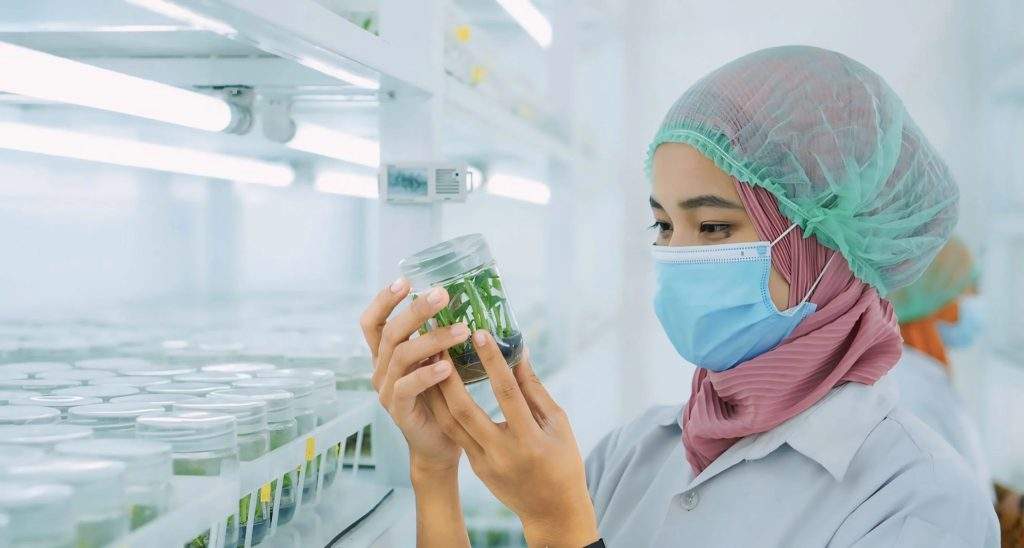
In tissue culture practice, one of the most common physiological problems is browning of explants. This symptom is characterized by a change in tissue color to brown or black after the inoculation process.
Browning is not just an aesthetic issue. If not properly managed, it can lead to inhibited growth, failure in multiplication, and even explant death. In commercial-scale production, high browning rates can reduce efficiency and increase operational costs.
So, what actually causes browning in tissue culture, and what are the professional solutions to overcome it?
What Is Browning in Tissue Culture?
Browning is a tissue discoloration reaction caused by the oxidation of phenolic compounds released when explants are cut or wounded.
When plant tissue is injured:
-
Phenolic compounds are released from cells
-
They react with the enzyme polyphenol oxidase (PPO)
-
Brown pigments are formed
If this reaction is excessive, the tissue becomes toxic and inhibits cell growth.
Causes of Browning in Tissue Culture Explants
Here are the main factors causing browning:
1. High Phenolic Content in Mother Plants
Some plant species naturally contain high levels of phenolic compounds, especially woody plants, mature plants, or those grown under stress conditions.
The higher the phenolic content, the greater the risk of oxidation after explant cutting.
2. Prolonged Exposure During Cutting
Explants exposed to air for too long before being placed into the culture media will oxidize more quickly.
Oxygen exposure accelerates enzymatic reactions, causing tissue to darken even before incubation.
3. Suboptimal Media Composition
Media lacking antioxidants or adsorbents can worsen browning.
Triggering factors include:
-
Imbalanced hormone concentrations
-
Incorrect media pH
-
Absence of activated charcoal
4. Stress in Mother Plants
Mother plants experiencing:
-
Nutrient deficiency
-
Pathogen attacks
-
Drought
-
Extreme temperature exposure
tend to produce explants with higher stress responses, including excessive phenolic production.
5. Excessive Sterilization
Sterilization using overly high disinfectant concentrations or prolonged soaking time can damage tissues and trigger oxidative stress.
Impact of Browning on Tissue Culture Production
If browning is not controlled, the effects can be significant:
-
Inhibited shoot growth
-
Tissue necrosis
-
Low multiplication rates
-
Failure of root formation
-
Complete explant death
At a mass production scale, high browning rates can significantly reduce success rates.
How to Overcome Browning in Tissue Culture
The following strategies can help reduce browning:
✔ Use Explants from Healthy and Young Mother Plants
Explants from younger plants generally contain lower phenolic levels compared to mature plants.
Ensure mother plants are:
-
Healthy
-
Stress-free
-
Well-nourished
✔ Minimize Air Exposure Time
-
Prepare media before cutting
-
Transfer explants immediately after cutting
-
Use fast and aseptic techniques
✔ Add Antioxidants to the Media
Commonly used substances include:
-
Ascorbic acid
-
Citric acid
-
PVP (Polyvinylpyrrolidone)
-
Activated charcoal
These compounds help absorb or neutralize oxidized phenolics.
✔ Optimize Plant Growth Regulator (PGR) Composition
Proper auxin and cytokinin ratios can reduce tissue stress and improve regeneration response.
✔ Evaluate Sterilization Procedures
Use appropriate disinfectant concentrations and avoid over-sterilization that may damage tissues.
✔ Perform Early Subculture
If browning begins to appear, transfer explants to fresh media before toxicity increases.
Professional Approach to Controlling Browning
In commercial laboratories, browning control should be handled systematically:
-
Standardize explant sources
-
Use validated media formulations
-
Document responses for each variety
-
Monitor production data
A data-driven approach enables laboratories to identify patterns and continuously reduce failure rates.
Conclusion
Browning in tissue culture explants is a physiological response caused by the oxidation of phenolic compounds. Although common, high levels of browning can significantly hinder seedling production.
By properly managing mother plants, optimizing media formulations, and applying professional aseptic techniques, browning risks can be minimized and tissue culture success rates can improve consistently.
In modern tissue culture industries, controlling physiological factors like browning is just as important as controlling contamination.