
 Bahasa Indonesia
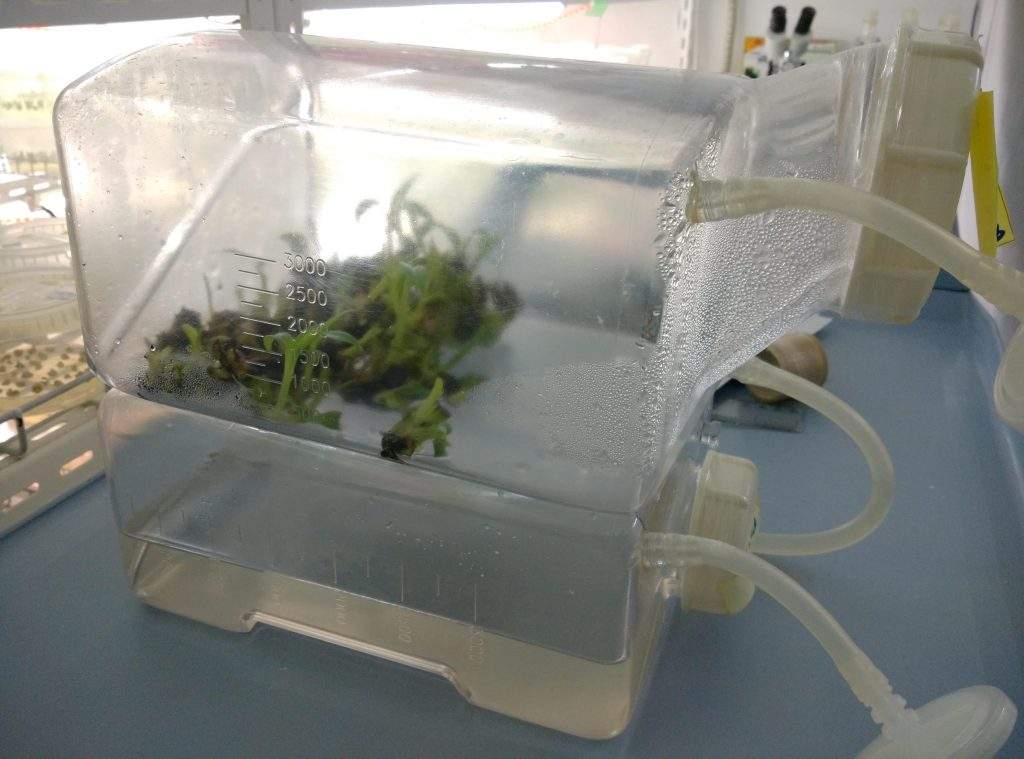
Tissue culture is a highly effective modern plant propagation method for producing large quantities of high-quality seedlings in a relatively short time. However, in practice, many laboratories face one major challenge: tissue culture is often prone to contamination.
Contamination not only causes production failure but also increases operational costs, wastes working time, and reduces plant multiplication success rates. So, what actually causes contamination in tissue culture, and how can it be prevented?
This article discusses the causes and professional solutions comprehensively.
What Is Contamination in Tissue Culture?
Contamination in tissue culture refers to the presence of microorganisms such as bacteria, fungi, or spores in a culture medium that should be sterile. Because the culture medium is nutrient-rich, microorganisms can grow rapidly and outcompete plant explants.
As a result:
-
The medium becomes cloudy
-
White or black colonies appear
-
Explants rot
-
Entire production batches fail
This is why sterility control is a critical factor in tissue culture laboratory systems.
Causes of Frequent Contamination in Tissue Culture
Below are some of the most common causes:
1. Inadequate Sterilization Process
Sterilization is the foundation of tissue culture. However, common mistakes include:
-
Autoclave temperature not reaching the standard (121°C, 15 psi)
-
Insufficient sterilization time
-
Overloading instruments inside the autoclave
-
Overfilled culture bottles
If sterilization is incomplete, microorganisms can survive and grow in the medium.
2. Poor Quality of Water and Media Components
Impure deionized water or distilled water may carry microscopic contaminants. In addition, chemical reagents and culture media components that lack consistent quality standards increase contamination risk.
The quality of consumables such as culture bottles, lids, and sealing plastics also greatly affects sterility.
3. Improper Technique in Laminar Air Flow
Laminar Air Flow (LAF) is designed to maintain a sterile working area. However, operator errors are often the main cause of contamination, such as:
-
Not spraying alcohol before working
-
Moving hands too quickly, disrupting airflow
-
Placing too many tools inside the LAF
-
Not turning on the LAF long enough before use
Human error is one of the biggest contributors to contamination cases.
4. Poor Explant Disinfection
The most common source of contamination comes from the plant material itself.
Common issues include:
-
Sterilization solution concentration too low
-
Insufficient soaking time
-
Latently infected mother plants
-
Explants taken from non-hygienic environments
Internal contamination (endophytes) is often difficult to detect early but appears after several days of incubation.
5. Poor Laboratory Hygiene
Environmental factors also play a significant role, including:
-
Poor air circulation
-
High humidity
-
Infrequent HEPA filter replacement
-
No separation between preparation and inoculation areas
An ideal tissue culture laboratory should have clear zoning: washing room, media preparation room, inoculation room, and incubation room.
Impact of Contamination on Production
When contamination occurs in tissue culture, the impact can be significant:
-
Reduced production success rate
-
Increased operational costs
-
Longer production time
-
Delayed seedling delivery targets
-
Damage to business reputation
In commercial-scale operations, even a 5–10% contamination rate can significantly affect profit margins.
How to Prevent Tissue Culture Contamination
Here are several strategic steps to minimize contamination:
✔ Standardize Sterilization Processes
-
Use autoclaves with regular calibration
-
Ensure temperature and pressure meet standards
-
Perform periodic process validation
✔ Use High-Quality Media Components and Consumables
Selecting consistent and standardized suppliers is essential. Culture media, chemicals, and consumables must have clear quality control.
✔ Improve Human Resource Competency
-
Conduct regular aseptic technique training
-
Implement documented SOPs
-
Perform periodic internal audits
✔ Maintain Laminar Air Flow and HEPA Filters
HEPA filters must be replaced according to schedule. LAF units should be cleaned regularly following proper procedures.
✔ Evaluate and Monitor Production Batches
Each production batch should be recorded and analyzed to identify contamination patterns. A data-driven approach helps laboratories pinpoint problems systematically.
Conclusion
Frequent contamination in tissue culture is not caused by a single technical factor, but rather a combination of material quality, sterilization procedures, operator techniques, and laboratory environmental conditions.
With strict quality control systems, high-quality media components, and professional SOP implementation, contamination risks can be significantly reduced.
For laboratories aiming to improve production success rates and operational efficiency, strengthening quality standards is a highly strategic long-term investment.