
 Bahasa Indonesia
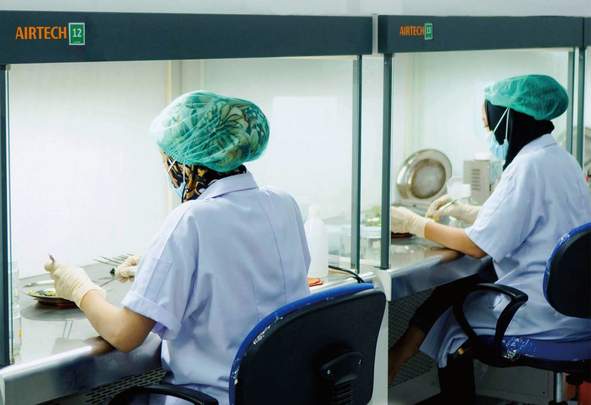
Building a tissue culture laboratory is a strategic step for agribusiness companies, modern nurseries, and research institutions aiming to produce high-quality seedlings on a large and controlled scale. However, in practice, establishing a tissue culture lab from scratch is not a simple process.
It requires careful planning, the right investment, and comprehensive technical understanding to ensure the laboratory operates efficiently and sustainably.
This article discusses the key challenges in building a tissue culture laboratory and the strategic solutions to overcome them.
Why Is Initial Planning So Crucial?
Many laboratories fail to achieve production targets not because of incorrect culture techniques, but due to mistakes in the initial planning stage. Poor layout design, improper equipment selection, and lack of SOPs can have long-term impacts on productivity.
Proper planning includes:
-
Production scale (R&D or commercial)
-
Types of plants to be cultured
-
Monthly production capacity targets
-
Desired quality standards
Key Challenges in Building a Tissue Culture Laboratory
1. Layout Planning and Room Zoning
An ideal tissue culture laboratory should have clearly separated areas, such as:
-
Washing area
-
Media preparation room
-
Sterilization room
-
Inoculation room (Laminar Air Flow)
-
Incubation room
-
Acclimatization area
Poor layout design can increase the risk of cross-contamination and disrupt workflow.
The main principle is a one-way workflow to minimize contamination risks.
2. Selecting the Right Laboratory Equipment
One of the biggest challenges is determining the appropriate specifications for tissue culture equipment based on production needs.
Key equipment includes:
-
Autoclave
-
Laminar Air Flow (LAF)
-
Analytical balance
-
pH meter
-
Hot plate & magnetic stirrer
-
Culture racks and incubation lighting
-
Air conditioning with stable temperature control
Common mistakes:
-
Purchasing equipment with insufficient capacity
-
Ignoring energy efficiency
-
Lack of routine calibration
Equipment investment should consider long-term scalability.
3. Sterility Control and Operational Standards
Sterility is the foundation of any tissue culture laboratory. Common challenges include:
-
Poorly documented SOPs
-
Operators lacking aseptic technique skills
-
Absence of quality monitoring systems
A good tissue culture lab standard includes:
-
Standardized sterilization procedures
-
Equipment maintenance schedules
-
Batch production documentation
-
Regular internal audits
Without proper quality control, contamination rates can increase significantly.
4. Skilled Human Resources
Advanced technology and equipment will not be effective without trained personnel.
Common challenges include:
-
Lack of experienced technicians
-
High human error rates
-
No regular training programs
Successful laboratories typically have:
-
An experienced lab manager
-
Technicians trained in aseptic techniques
-
Clear and consistent SOPs
5. Cost Estimation and Investment Control
The cost of a tissue culture laboratory depends heavily on its scale and quality standards.
Major cost components include:
-
Facility renovation
-
HVAC systems and stable electricity
-
Equipment procurement
-
Consumables
-
Staff salaries
Without proper financial planning, laboratories may face budget overruns before reaching break-even.
6. Consistency in Production Quality
After the lab is established, the next challenge is maintaining consistent production results.
Key influencing factors include:
-
Culture media consistency
-
Temperature and light control
-
Growth monitoring
-
Multiplication rate evaluation
Mass production requires a data-driven system, not trial and error.
Strategies for Successfully Building a Tissue Culture Laboratory
To ensure effective implementation, consider the following strategic approaches:
✔ Conduct a Feasibility Study
Analyze market demand, seedling potential, and projected production capacity before making major investments.
✔ Design Layout Based on Industry Standards
Apply sterile zoning and one-way workflow principles to reduce contamination risks.
✔ Invest in High-Quality and Scalable Equipment
Choose equipment that meets industry standards, is easy to calibrate, and has reliable technical support.
✔ Develop SOPs from the Start
SOPs should cover:
-
Sterilization processes
-
Explant handling
-
Media preparation
-
Subculturing
-
Acclimatization
Proper documentation simplifies evaluation and scaling.
✔ Focus on Human Resource Training
Regular training in aseptic techniques and lab management is essential to maintain production quality.
Conclusion
Building a tissue culture laboratory from scratch is a strategic investment that requires careful planning, strong quality control systems, and support from proper equipment and skilled human resources.
Challenges such as layout design, equipment selection, sterility control, and cost management must be anticipated from the beginning to ensure efficient and sustainable operations.
With a professional approach and adherence to industry standards, a tissue culture laboratory can become a strong foundation for producing consistent, high-quality, and economically valuable plant seedlings.